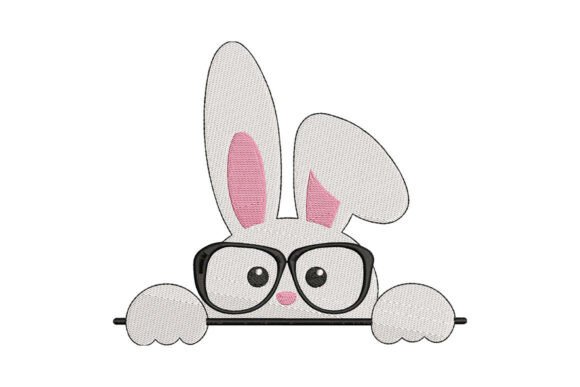
Cute Bunny with Glasses Embroidery
As a designer who’s worked with countless machine embroidery designs, I always start by asking: does this design feel right for real-world use? The Cute Bunny with Glasses Embroidery is one that immediately caught my attention. Its playful charm and soft aesthetic make it ideal for a range of handmade and commercial projects. But like any design, it has its strengths and limitations that need to be considered before jumping into a full project.
The First Impression
From the moment I viewed the Cute Bunny with Glasses Embroidery, I was struck by its gentle, whimsical vibe. The bunny peeking over a surface with oversized glasses feels like a character from a children’s book—endearing, approachable, and full of personality. The soft stitching details and pastel color palette suggest a design meant for delicate or feminine projects. It doesn’t scream boldness, but it offers a quiet charm that can elevate simple items into something special.
This design naturally fits into the Farm Animals category, but its appeal isn’t limited to that. The bunny’s expression and style are more universal, making it suitable for baby items, personalized gifts, or even holiday decorations. The layout is balanced, with enough detail to be visually interesting without being overwhelming.
Real-World Use Cases
I’ve tested Cute Bunny with Glasses Embroidery on several fabrics and projects, and it performs well in most standard applications. For example, when I used it on a custom tote bag design, the bunny’s shape and glasses stood out clearly against the fabric. The soft stitching didn’t create a harsh look, which is great for casual or home-use items.
It also works well on sweatshirts and t-shirts, especially when paired with light-colored threads. The design’s simplicity makes it easy to adapt to different styles—whether you’re going for a vintage look or a modern, minimalist aesthetic. On baby clothes, the bunny’s gentle presence adds a sweet touch that parents would appreciate.
For small business owners, this design could be a solid addition to an Etsy shop or craft fair booth. Its charm and versatility make it a good candidate for personalized gifts, such as embroidered patches or aprons. It also pairs well with other farm animal motifs if you're building a cohesive collection.
Where to Be Careful
While Cute Bunny with Glasses Embroidery is generally reliable, there are a few situations where it might not perform as well. If you're working with small hoop sizes, the design may require splitting or adjusting to fit. This can complicate the process, especially if you're short on time or working on a tight deadline.
Textured or stretchy fabrics can also be a challenge. The soft stitching details might not show up as clearly on rougher materials, and stretchy fabrics can cause distortion during the sewing process. If you're planning to use this on a cap or a curved surface, be sure to test it first. The bunny’s glasses and facial features are detailed enough that they could get lost on a dark fabric, so contrast is key.
Dense stitch areas might also be an issue. If the design includes heavy fill stitches, it could cause puckering or unevenness on thin or delicate fabrics. Always check the stitch density and consider using a proper stabilizer to prevent these issues.
Impact on Visual Appeal and Customer Perception
One of the biggest advantages of Cute Bunny with Glasses Embroidery is how it enhances the visual appeal of a finished product. Its soft, playful look adds a personal touch that can make a handmade item stand out. Customers often respond positively to designs that feel unique and thoughtful, and this bunny design delivers that kind of charm.
It also contributes to the perceived value of a product. A well-executed embroidery design can increase the price point of an item, especially if it’s used on high-quality fabrics or in premium packaging. For small businesses and Etsy sellers, this design can help build brand consistency, especially if it’s part of a larger collection of similar motifs.
When used on personalized gifts or custom apparel, the design helps create a sense of connection between the buyer and the item. It’s a subtle but effective way to make a product feel more meaningful and special.
Practical Designer Notes
Before committing to a large project, I always recommend testing Cute Bunny with Glasses Embroidery on scrap fabric. This allows you to see how the design looks in real life and identify any potential issues early on. Check the thread colors against your chosen fabric to ensure good contrast and visibility.
Review the stitch density and make sure it aligns with your project’s needs. If the design is too dense, consider simplifying it or adjusting the file. Confirm the hoop size required for the design and ensure it matches your machine’s capabilities. Small details, like the bunny’s glasses, should be inspected closely to make sure they don’t get distorted during the embroidery process.
Test the design in black and white mockups to see how it looks without color. Compare it on both light and dark fabric backgrounds to understand how it will appear in different settings. Using the right stabilizer is crucial for maintaining the integrity of the design, especially on stretchy or delicate fabrics.
If you plan to sell finished products or digital files, be sure to confirm the licensing terms associated with Cute Bunny with Glasses Embroidery. Some designs may have restrictions on commercial use, so it’s important to verify that before moving forward.
Final Thoughts
Cute Bunny with Glasses Embroidery is a design that brings a lot of charm and versatility to the table. Its soft, playful aesthetic makes it ideal for a wide range of projects, from baby items to personalized gifts. While it has some limitations in certain applications, with proper testing and care, it can be a valuable addition to any designer’s or business owner’s collection.
Whether you're looking to add a new design to your inventory or create a custom piece for a client, this bunny design is worth considering. Just remember to take the time to test it and understand its strengths and weaknesses before finalizing your project.