Daisy Embroidery Flower Design Review for Real Projects
As an experienced embroidery designer and product reviewer, I recently took a closer look at the Daisy Embroidery Flower Design to determine how it would perform in actual projects. This design, with its minimalist wildflower aesthetic, has a quiet charm that immediately caught my eye. It’s the kind of embroidery file that feels like it could blend seamlessly into both personal crafts and commercial products—offering versatility without sacrificing style.
A First Look: Minimalist Elegance Meets Modern Craft
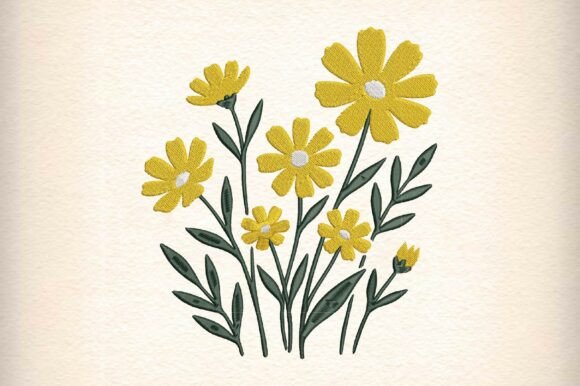
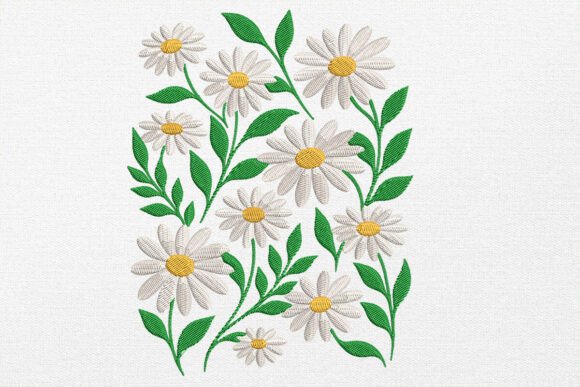
The Daisy Embroidery Flower Design is clearly intended for those who appreciate understated beauty. The line art approach gives it a soft, hand-drawn feel while maintaining clean edges and precise shapes. The use of simple petals and dainty centers creates a sense of organic movement, making it feel less rigid than more traditional floral designs.
I found myself imagining how this could work on a variety of surfaces. Would it pop on a baby onesie? Could it stand out as an embroidered patch on a denim jacket? The answer depends heavily on context, but overall, the design brings a fresh, modern energy to any project it's applied to.
Visual Personality and Mood
This design carries a gentle, romantic mood. Its layout is balanced yet open, which makes it ideal for hoop art or as part of a larger composition. The detail level is moderate—enough to convey character but not so intricate that it becomes overwhelming. As a designer, I appreciate how it can be used alone or grouped with other elements to build a cohesive theme.
Real-World Application: What Works Best?
When evaluating machine embroidery designs, I always consider how they’ll translate across different materials and purposes. Here’s how the Daisy Embroidery Flower Design performed in some real-life scenarios:
- Tote Bag Design: On a cotton canvas tote bag, the design stitched cleanly and added a subtle touch of elegance. The contrast between the thread colors and the fabric made it easy to spot from a distance, perfect for branding or gift items.
- Sweatshirt Embroidery: When tested on a medium-weight sweatshirt, the stitch density held up well. The daisies didn’t lose their shape despite the softness of the fabric, though I did recommend using a light stabilizer underneath to prevent puckering.
- Baby Embroidery: The delicate lines worked beautifully on a muslin baby blanket. It felt just right for a nursery decor item or personalized gift, where simplicity often speaks louder than bold graphics.
- Hoop Art: In a 5x7 inch hoop, the Daisy Embroidery Flower Design looked like a charming focal point. The negative space around the flowers allowed room for text or additional small motifs, making it a great complement in mixed-media hoop art.
- Embroidered Patch: When cut as an applique design and sewn onto a denim cap, the daisies maintained their clarity and form. It was especially effective when paired with a satin-stitched border to enhance definition.
In each case, the design’s strength lay in its adaptability. Whether you're creating custom apparel or holiday embroidery gifts, the Daisy Embroidery Flower Design fits naturally into a wide range of handmade product categories.
Where to Use with Caution
While the Daisy Embroidery Flower Design is versatile, there are a few situations where extra care is needed to ensure it looks its best:
- Small Hoop Sizes: The design doesn't shrink well below certain dimensions. If you’re planning to use it in a tiny hoop or on a piece of jewelry, you might need to simplify further or scale down manually.
- Textured Fabrics: On flannel or wool blends, the stitch count and tension can create uneven results. Always test the design on scrap fabric first.
- Thin or Stretchy Fabric: For lightweight knits or stretchy materials like rayon or spandex, proper backing and stabilizer are essential to maintain shape and avoid distortion.
- Dark Fabric Backgrounds: While the design uses thread colors effectively, it may not stand out as much on darker tones. Consider adjusting the color palette or using white thread for better visibility.
- Curved Surfaces: When trying this on caps or curved patches, the alignment and spacing require careful adjustment. A running stitch outline helped anchor the design during testing.
Impact on Product Value and Customer Perception
From a business perspective, the Daisy Embroidery Flower Design elevates the visual appeal of your finished product without overcomplicating it. Its clean aesthetic supports a professional look, which is especially important for Etsy sellers and small shop owners aiming to build brand consistency. It adds a touch of handmade authenticity to items like pillow covers, aprons, and tea towels—perfect for boutique-style branding.
Customers tend to respond positively to this kind of natural, uncluttered design. It conveys a sense of quality and intentionality, which increases trust and perceived value. For holiday embroidery or wedding-related items, the Daisy Embroidery Flower Design offers a timeless, elegant option that fits within the Wedding Flowers category subtly and tastefully.
Designer Notes: Tips for Successful Stitching
Here are some practical tips I’ve gathered while working with the Daisy Embroidery Flower Design:
- Test on Scrap Fabric: Especially if you plan to use it on something new like linen or a stretchy knit. This helps catch any issues with tension or stitch direction early.
- Check Thread Color Contrast: Make sure the chosen thread colors pop against your base fabric. Sometimes what looks good on screen isn’t as clear once stitched.
- Review Stitch Density: Adjust fill stitches slightly if the fabric is thin or prone to puckering. Less dense stitching can help preserve the fabric’s integrity.
- Confirm Hoop Size: If you’re using it for commercial embroidery or mass production, double-check that your hoop size matches the recommended area for the design.
- Inspect Small Details: Line art designs rely on precision. Check that all petal tips and centers remain crisp after stitching, especially on textured or patterned fabrics.
- Test Black and White Mockups: Before finalizing thread choices, see how the design reads in grayscale. This ensures legibility even if the colors shift slightly due to lighting or aging.
- Use Proper Stabilizer: Depending on the fabric, a tear-away or cut-away stabilizer can make a big difference in how the design holds up post-stitching.
- Verify Licensing: If you're an Etsy seller or digital product creator, always confirm whether the design allows for commercial use. You don’t want to risk infringement later.
Final Thoughts for Makers and Merchants
After putting the Daisy Embroidery Flower Design through several real-world tests, I believe it’s a strong addition to any embroidery project toolkit. It works particularly well in the Wedding Flowers category, offering a refined and modern alternative to more ornate floral motifs. However, it’s not a one-size-fits-all solution. Its success relies on thoughtful application, fabric choice, and proper setup.
If you're considering using this design in a custom apparel line or as part of a handmade gift collection, take the time to evaluate how it complements your existing design assets. Think about where it will be placed, what fabric it will meet, and how it contributes to the overall story of your product.
For digital product sellers, the Daisy Embroidery Flower Design could serve as a decorative accent in printable mockups or as a key element in a themed set of embroidery files. Just remember to check licensing before including it in your offerings.
Ultimately, this is a design that rewards attention to detail. It’s not flashy, but it’s far from forgettable. With the right care and creativity, it can become a signature element in your craft business or a standout feature in a personalized product.